


%20copy%202.png)


%20copy%202.png)


%20copy%202.png)


.png)
%20copy.png)




Tallahassee Headquarters located at:
117 South Gadsden Street,
Tallahassee, Florida 32301
(850) 681-3200


Copyright © SalterMitchell PR 2021. All rights reserved.


.png)
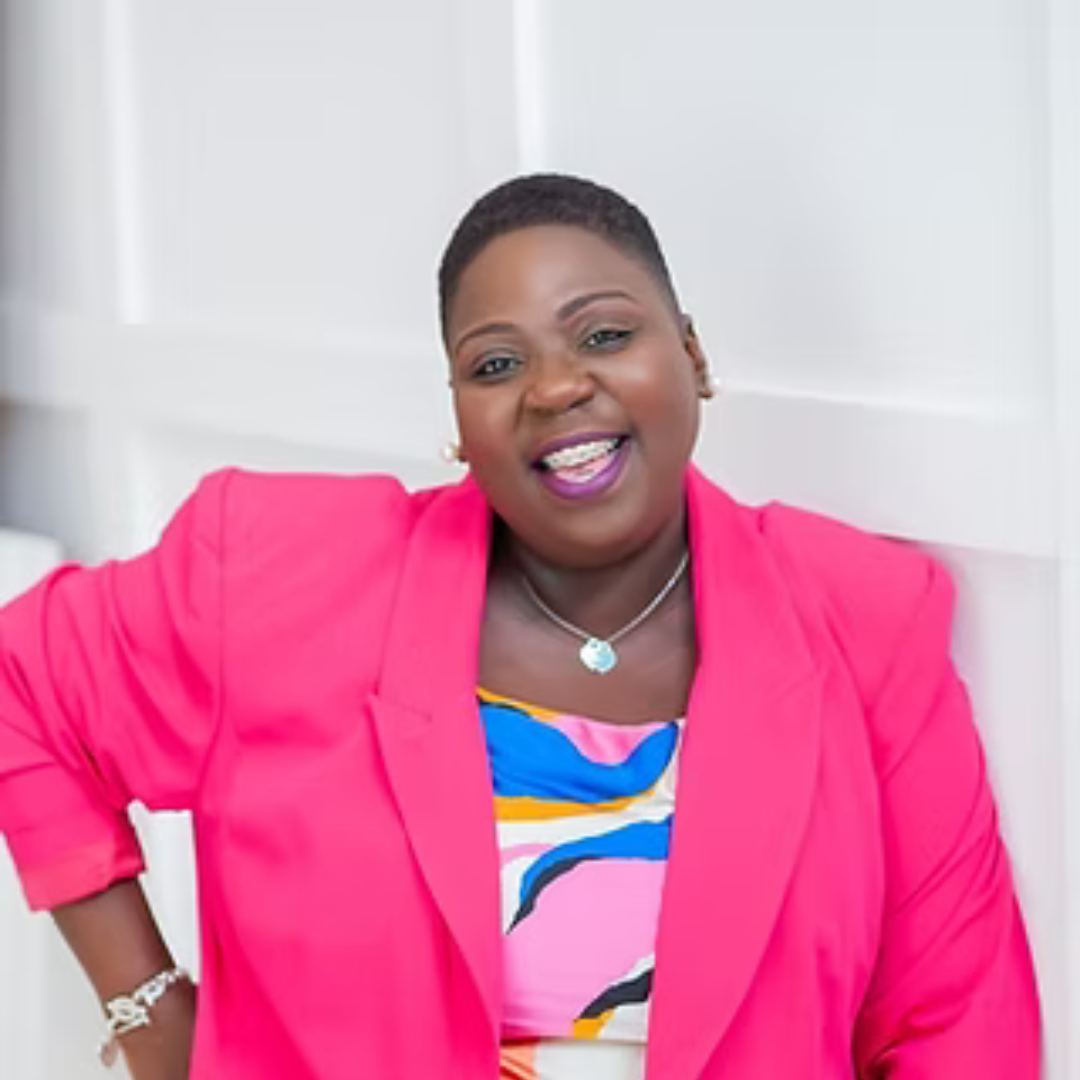
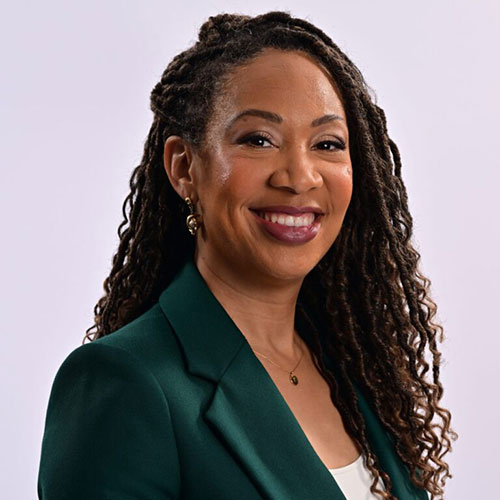
What happens when girls are given the extra support and resources they need to flourish? Yessica Cancel knows.
With nearly 1 in 2 Florida middle and high school girls reporting feeling sad or hopeless, access to the right support is more important than ever. As CEO of Pace Center for Girls, Cancel draws on more than two decades of experience in education and nonprofit work to champion an approach that pairs academics with accessible mental health support.
In this episode, she joins SMPR President Heidi Otway to discuss what it takes to give young Florida women the confidence and tools to shape their futures.
Heidi Otway: Well, Yessica, I am so excited to have you on the Fluent in Floridian podcast. I'm a big fan of Pace Center for Girls, and you're the new CEO. I mean, you've been there for a while, and you've been elevated to this role, and I just want you to kind of tell everybody here about what you do and what the role of the Pace Center for Girls is in the state of Florida.
Yessica Cancel: Awesome. Well, first off, thank you so much for having me. I'm excited, um, as the new CEO of the organization, um, looking towards the future, learning from and honoring the past that brought us here today. All the work that has happened over the past 40 years across the state of Florida, um, and now the new opportunities, um... So, Pace was founded in Jacksonville, Florida, in 1985. Um, so, 42 years in the making, decades of supporting girls and young women. Um, and it all started with our founder, Vicky Burke, who worked for another organization, had a small number of girls who were in a program that wasn't being effective for them. But she noticed it was being effective for boys, and so, what she learned over time is that girls had different needs. Adolescent girls have very different needs. And, also recognized that girls were being put into the system or into detention centers for non-violent crimes. Um, for things that, for boys, they would have said, "Those are boys. Boys fight. Okay. You know, they're fine." But for girls, we were being measured through a very different, um, lens. And, so Vicky not only said, went to a judge and said, "Give me an opportunity with these 10 girls to do something different." She did that work, and then she also spent her life, and still does, in fighting to change laws. Now, Florida actually is a very progressive state when it comes to juvenile justice reform. You know, we believe in giving our kids a second chance. We believe in giving our children the opportunity to receive resources so that they can heal and change their trajectories. And that's what Pace has focused on with the lens that girls have different needs. We needed to change laws that understood those differences with girls, and then you add on the differences that we see with things like human trafficking, while it's not just girls who are trafficked, unfortunately, there is a larger proportion of girls who are trafficked, and in trying to keep them safe, we were actually moving them and putting them away in detention centers and retraumatizing them. So Pace has, over the years, worked to create programming that meets the needs of girls where they are. All of our girls have high ACEs or Adverse Childhood Experiences, which would lead them to be more likely to be systems-involved, to continue, um, down a path that, that ultimately leads to a shortened lifetime. And then we also see that, um, you know, it's something that's repeated generation after generation. And so, built these programs to help address the needs of our girls, and then advocated in Tallahassee through legislation to change some of the laws so that our girls would not be penalized for actually being victims.
Heidi Otway: So do you, you all have facilities all or, or chap-, is it chapters around the state?
Yessica Cancel: We call them centers. So we have centers...
Heidi Otway: Yeah, tell me about that.
Yessica Cancel: Yeah, so we have 16 centers throughout the state of Florida. Um, and so, we call it a center, uh, when you walk in, it's a smaller environment than a school, but to a girl, it's her school. But she walks in, we have no more than 80 to 85 girls. Most of our centers are somewhere around 50 girls per center. That's intentional so that we build a community, so that our girls and our team members know each other very well, and can create a very safe environment. Um, the centers started based on getting to hear about Pace, and either a legislator or someone in a community said, "I heard about Pace, I went and visited Pace, I want one of those in our community." Um, and then they would advocate to bring a Pace center to their community. So we are in the Panhandle, in Pensacola; we're in Tallahassee; Northeast Florida; the Center; the I-4 corridor; um, we are in Southwest Florida; you know, we are in Southeast Florida. Um, so, pretty, uh, broad reach across the state.
Heidi Otway: So give me an, an example of what happens if a young woman, young girl comes into your program. And, and I say this for those who may have heard of what you do, but I would like to hear an example of, "This is what a young woman or young girl would experience."
Yessica Cancel: Sure. Um... Our referral source is very open. It can be a school counselor, a teacher. It can be a girl herself hearing about us and she calls. Um, so we schedule a time for her and her formal caregiver to come in and have a conversation with our intake counselor. In that conversation, there is an assessment, but the assessment is done through a conversation, um, to understand where the girl's at because we need to make sure that we are the best resource and program for her. And sometimes we're not. And when we're not, we don't just turn her away. We want to connect her to that program that best need- meets her needs. Um, so she comes in, has that conversation, they take a tour, they, they walk around. In many centers, we have other current girls that attend Pace who are our ambassadors, and they'll actually be the one to give the tour to the girl. So it's a peer-to-peer, um, type of, of, uh, experience. Uh, once she goes through the tour, then we sit down and we really look at, you know, what are your goals? We ask her first. Yes, we're going to turn around and ask the caregiver as well. They may or may not agree. Um, but it's important from the moment the girl walks in, she recognizes that she is going to be seen here, that she has a voice in every decision that she is going to make and learn how to make. She's going to be supported. We're going to help guide her, and we're also going to teach her how to make those decisions so it builds her confidence. Um, we let her know that it's, it's a voluntary commitment. No one is court-ordered to be here, although we do have partner judges who highly recommend and say, "You can go here, or you can go here." So, some of the girls are like, "I'll take Pace." Um, but it's voluntary because, again, that's choice. We do not want to take that choice away from the girl, and then try to turn around and tell her, "Oh no, you, you can decide the future for yourself," yet we've taken that from her. And so, you know, from that moment, she gets to be seen, and a lot of times, that's new to them. They don't, they don't understand how to use their voice, um, they've never felt like they could. And so, that's the first step. Um, and then, we work with the school district wherever she's coming from to also understand where is she academically. So, right, one is the social-emotional, the other is the academic. And what, what makes the most sense. Our goal is for our girls to be able to graduate from high school. Sometimes that's a GED track, which, if that's the best course of action for her, wonderful, because then she walks away with her GED. Sometimes it's graduating, finishing her schooling, her high school in, at Pace, and a lot of times it's actually, we're a, we're a year-round program, but girls can stay with us for up to four years based on our funding requirements.
Heidi Otway: Right.
Yessica Cancel: And, sometimes, you know, they're here for two, two school years, and they feel like, "Okay, we have hit all of our goals." She's caught up academically, she's also built some coping mechanisms and added some tools into her toolbox to address things like bullying, and insecurities, and all the things that we especially as, as young women, um, just are faced with in, in day-to-day life, and she then makes that decision, um, you know, again, with her caregivers and her, uh, care group from Pace to say, "You know what? I want to go back to, you know, my home school, my traditional high school." Um, and she goes back. Now, we have a saying that says, "Once a Pace girl, always a Pace girl." Um, that's for our girls and for our team members because the moment I came back, that's one of the first things I said.
Heidi Otway: Right.
Yessica Cancel: "Once a Pace girl, always a Pace girl." Um, but within that, we see sometimes our girls who go out, back into the school, you know, they, they either find new challenges that they weren't prepared for, um, or just realize that, "You know what? I was thriving at Pace, and now I have challenges." She can always come back. And, uh, over the past 15, out of our 40 years, 15 years ago, our Broward center executive director started to develop what we call now our Reach program.
Heidi Otway: Mm-hmm.
Yessica Cancel: And so that is basically the Pace program without the academic side, so it's all of the therapeutic, social-emotional supports. So let's say this girl who went back to her school because she caught up academically, she feels empowered, but she's still feeling a little unsure. She may not come back to our regular program, but she may now join the Reach program. And so in that program, she stays in her school, but she has a support system around her: licensed therapists, life coaches, support on academics, right, in making, if they, they need tutors, support for the family as well. And so that's the experience of a girl really coming in. We always say we meet a girl where she's at.
Heidi Otway: Wow, that's remarkable, and as I was listening to you, it almost sounds like the Pace model should be applied to our current school mod-, you know, like it should be, when you think about how education has evolved, and all the external factors that face our young people, regardless of the socio-economic status, uh, where, you know, where they live, and all those things, all those wrap-around things that you talked about could apply to any kid.
Yessica Cancel: Mm-hmm. No, absolutely. Um, and we do have partners like that. Um, when you see schools who have partnered with Communities in Schools, right, those are those approaches and attempts to, well, the recognition that one thing is here, the student is to learn, but they have so many barriers that are preventing their ability to learn. And so, let's provide those wrap-around resources so that they can, so that when they come in, they can focus on learning. And so, I, I absolutely agree with you. Um, you know, while we focus with girls, because we want to make sure we follow the research, we even add to the body of research for what works with girls. We have a lot of partners across the state of Florida who are all in the same work to make sure that our, that our children don't fall through the cracks.
Heidi Otway: Wow, wow. Well, we're going to take a quick little break, and to everyone listening, we'll be right back. Good? Okay, all right. So, now we're going to pivot because now, I mean, I'm, I'm like, this is amaze-, I didn't know the depth of your program. I'm just going to say that, and put this in the, put, please put this in the podcast. I did not know the depth of this program until today, and now I can see why you came back. So let's talk about what you did before, and then also I want to find out what is your vision for the organization now that you're at the top.
Yessica Cancel: Thank you. So, wow, yes, so Pace was the first non-profit that I ever had the honor and privilege of working for. I was an educator in my first life. I taught public school, and then I went into the corporate world. Um, Pace found me at a point in time where I wanted something different. Literally, it was my second to last day before leaving the corporate world, um, working for a logistics company, and I, I got a call from a recruiter, um, working to find somebody for Pace. Um, I joined as an HR director, so my background organizational development, joined Pace as an HR director, but I had my academic background, my education background. And so when I joined Pace, it was almost immediate, just the connection, the soul connection. We say, you know, does your, your soul match your role?
Heidi Otway: Oh, that's sweet.
Yessica Cancel: And I did, I never knew what that actually meant until I joined Pace. Um, never worked with such a large group of soul-driven, mission-driven leaders across the state. Um, and so 5 years in, while I was leading the, the talent efforts, um, I, I really got to know the program model, and it's something that clicked with me because when I was an educator, all of the things that Pace was doing and, and the way that they were looking at education were things that I always felt were missing, and within my four walls of the classroom, I tried to be able to implement those kinds of supports or ways to work with children.
Heidi Otway: Yeah.
Yessica Cancel: So, 5 years in, um, there was an opportunity, and I was asked to, um, step up as COO. And so in the COO role, it was overseeing all of our programs, leading our programs, and leading our talent. And so, for me, it was bringing together all of the things that, um, I'm passionate about, and at the same time, that I feel I was gifted with skills, um, to be able to really help us move forward. And so I was here for 11 years, the last 6 years were as COO, and then that also gave me the opportunity, one, to continue learning about our program, but the research. I was able to be knee-deep in the research that Pace has been founded on. Um, Stephanie Covington's works specifically, um, Dr. Covington is known around the world as being really the person who created and has driven gender-responsive, um, models, or program modeling, really looking at, you know, boys and girls do approach the world through a different lens.
Heidi Otway: They do.
Yessica Cancel: They do, and, you know, there, there, there is a spectrum, there is a, a continuum, and so it's not that they do it specifically one way, but, typically speaking, so here's an example, and this is research-based. Um, you have a group of, of young boys and you have a group of young girls, and you kind of separate them and you let them just kind of sit down to start having a conversation. Your boys are going to sit, like, let's say on a bench, not facing each other. They're all just going to sit side-by-side, and they're going to have their conversations and so forth, looking forward. Girls are naturally going to form a circle.
Heidi Otway: Yeah.
Yessica Cancel: Just naturally, right? And those things seem like maybe they don't have a lot of meaning, but then when you think about how is someone going to feel most comfortable learning? When someone is feeling either not included or feeling insecure, what environment's going to help them and support their ability to feel safe, to feel psychologically safe?
Heidi Otway: Right.
Yessica Cancel: Girls, are you going to line them up? You're going to put them in a circle.
Heidi Otway: A circle. Right.
Yessica Cancel: So, being able to learn that research that is foundational to Pace was a huge changing moment for me in, where I was like, "Oh wow, okay, and, and this doesn't just apply to kids."
Heidi Otway: Yeah.
Yessica Cancel: Like, this applies to all of us.
Heidi Otway: Oh no, I was just thinking about it right now. When I go places, and like all the women, we're in a circle, and the guys are like standing, you know...
Yessica Cancel: Right.
Heidi Otway: ...line. I was imagining that as you were saying. It's like, that's so true.
Yessica Cancel: Right, and if you know that, then you understand how to create an environment where people can be authentic and can feel safe, and then they can be their best selves. And so I left Pace in '22, um, for a different stage in my life, wanted to try something new, and I did that, and it, it gave me an opportunity to, um, implement, apply a lot of the things that I learned at Pace, and at the same time, recognize how special Pace is because, you know, you don't know what you have until it's gone.
Heidi Otway: Right, and you also, you also had a lot of reflection considering everything that you just talked about from the research to the founding to, you know, the wrap-around services for young women. I can imagine you're like, "Man, I kind of miss that."
Yessica Cancel: Yeah, absolutely, absolutely. And then I got a call, you know, my former CEO was retiring, um, and it was Vicky Burke, our founder, was one of the individuals who called me. And I always say, "Well, first of all, you don't say no to Vicky Burke."
Heidi Otway: Right.
Yessica Cancel: "It's not a thing you do." Um, and at the same time, um, I, when I reflected, I felt there was still work that I left undone, um, and the ability and the chance, you know, how often do we get a chance to come back to that place that really helped you as a human being grow, and know that you are ready to continue to help them get to that next stage? Um, I mean, that's, that's what brought me back, is, you know, I, I, I believe in listening to the universe, to signs, and, uh, things aligned, and I said, "You know what? Thank you. Thank you for this opportunity to be able to come back, and to help the organization where it's at," because, like many organizations, post-COVID, right, we've had challenges, and I was a leader that was going to be able to come in, and because I have existing relationships and knowledge of the program, be able to hit the ground running, um, fairly quickly.
Heidi Otway: Yeah, so what's your vision for the pro-, for the organization moving forward? I'm, I'm really, I'm like in bated breath, I'm excited.
Yessica Cancel: So, I...
Heidi Otway: I like that you rubbed your hands together.
Yessica Cancel: 'Cause you're the first person to formally ask that, and, you know, I've been having internal conversations with our leadership team and our program teams as well. And, Pace used to be very engaged in research, not just consuming and learning and adopting our programs, but also adding to the research around girls and women. We serve 3,000-plus girls a year, we learn so much from them, um, but for the past few years, we have not been engaged in that. And so, one of the things is to go back, re-engage in the research because I think it is extremely important, especially in a post-COVID world. No one in our generations have ever lived through a pandemic that truly has changed who we are, and our girls were just starting school when this happened. They were in elementary school, right? And so the whole world is just learning and understanding the impact of COVID, and so we feel it's important, it's our responsibility to be part of that. And so we want to engage back in the research aspect so that we can make sure we are continuing to evolve and to help share what we learn so that other girls and other programs can also join in these efforts. I also want to continue to expand, especially our Reach program. And so, our Reach program, while we have a lot of internal evaluation data that shows the outcomes, we know and want to, to have it evaluated by an external third party, 'cause that's what we need to do to make sure and say, "Yes, this program works. It has these outcomes. Let's continue to invest in it." Um, and the reason, we will always have our day program model, that's anchor to who we are, the Reach model has the potential to reach, i.e., its name, millions more girls in a more cost-effective manner. Right now, throughout the state, we have 14 Reach programs, 4 of them are stand-alone, meaning they're not attached to a day program, and in those, we partner with schools. So we send our Reach therapists into the schools and partner, so we're additional support to the staff that's in the school. And it's, and it's our model, so it's not a traditional therapy model, but it's a gender-responsive and trauma-informed model, which, yes, it's one-to-one therapy, but it's also family counseling and support, it's also group therapy, 'cause going back to girls, we, we have some of our biggest breakthroughs when we're a group of trusted girls. If we're in a group of those trusted girls, then we feel safer to be able to bring something up, to be able to work through something, to, to know that we're not alone. And so that's the focus of the Reach model, and, you know, we're excited to be able to continue to learn and to continue to expand, and expand beyond Florida. We have a location in Macon...
Heidi Otway: Yeah.
Yessica Cancel: ...that has been there for about six years, six or seven years, um, and it was our first venture into a just stand-alone Reach model, being supported, um, fully through, um, the state of Georgia. And so, again, that's the vision is, continue the research, continue to learn, and then apply those learnings to our Reach model because we know that we can get Reach services to many more girls at a fraction of the cost.
Heidi Otway: Yeah, you know, Yessica, as I was listening to you, there were two questions that came to mind. One was, I really appreciate that you all are not only talking to the girls, but you're talking to the people that they live with...
Yessica Cancel: Mm-hmm.
Heidi Otway: ...because no amount of counseling, support, and all of that can address the people that they're living with that could be the cause, potentially, of, you know, whatever it is that they're feeling, right? So can you talk a little bit more about that, and then I, I do have a follow-up question.
Yessica Cancel: Sure. No, thank you, 'cause that very much is part of, of our holistic model. The reality is, many of our girls who have experienced trauma, their mom experienced similar trauma, and their grandmother experienced similar trauma, right? And so, these are things that caregivers are not intentionally trying, you know, to hurt their children or to create an environment that's unhealthy or unsafe for their children. They don't wake up, we don't wake up and, and say that that's what we want.
Heidi Otway: I'm a mom. Yeah, I'm a mom, that's...
Yessica Cancel: Right.
Heidi Otway: But I knew raising my daughters, there were things like, "I got that from so-and-so," you know, parent behavior.
Yessica Cancel: Correct. So, when we engage with the parent, the caregiver, sometimes it's mom, sometimes it's grandmother, sometimes it's an uncle, right? We also get to learn what are some of the root causes that are going on with them, and while we don't provide those services in therapy, we will absolutely connect them. So now, we will bring the girl and work with them, but we will also connect the caregivers to additional resources and services through our partnerships so that we can start to help that home environment to change and to shift so they can better support the girl. And one of the things, you know, I, I love when, especially our graduation, so we just finished graduation season, and, you know, you get to celebrate the girls, but you also get to see their journey, you know, who, who she was when she walked in the door compared to who she is today. We hear from parents who tell us, "This is, this is who my daughter was, and, and we were so scared because we didn't know how to help her." And throughout that process, they recognized, "I had to make some changes. I, as the parent...
Heidi Otway: Yeah.
Yessica Cancel: ...had to make some changes." And then, now we see them, 'cause many times in our graduation, we have parents as guest speakers, and they'll talk about the changes, the growth that has happened within them so that, they weren't willing to do it for themselves...
Heidi Otway: Yeah.
Yessica Cancel: ...but when they saw the impact on their child...
Heidi Otway: Yeah.
Yessica Cancel: ...they absolutely, they said, "Oh, I, I have, I have to make this change. I have to go through this, I have to acknowledge these things. I have to create a very different environment. I didn't feel like I was worthy enough to do it for myself, but I have to do it for my child." And so, you know, those, those are the moments where you see that the impact is much larger than the one individual girl that's coming here. It's really, it's a, it's a family, it's a community, right, it's a generation.
Heidi Otway: Yeah, yeah, and, and that kind of goes right into the other question that I had. You all have been around for over 40 years, and so you've impacted so many different generations, so Gen X, you know, yeah, I wouldn't, probably not the Boomers unless they were the parents, but you know what I mean, from a multi-generational perspective...
Yessica Cancel: Absolutely.
Heidi Otway: ...the impact that you have, I mean, it goes back decades. Moving forward, so I'm just wondering, uh, what's your engagement with, uh, alumni or people who go through the program?
Yessica Cancel: Now, it could always be better, um, 'cause we don't have a formal alumni engagement program, although that's one of the things, but what I can share is that, and we see it often, um, will be, I may be wearing a Pace shirt, and I'm at the local grocery store, and just shopping, and I've been stopped, and, "You work for Pace?" And I'm like, "Yeah." And she's like, "I went to Pace, and this is what I'm doing today, and this is my baby, and I'm so happy, and, and Pace changed my life." Right, we have those kinds of examples. We have, um, quite a few former Pace girls who now come back and they're either employees, so they're team members.
Heidi Otway: Yeah! Yeah!
Yessica Cancel: We have some, so I'm here at the Jacksonville center today, and we have a former Pace girl who is now an attorney in our community, and she sits on our Pace board.
Heidi Otway: Love that.
Yessica Cancel: Right, and so, talk about to, one is the full circle and giving back, but the lens of understanding that she has when she advocates, when she speaks to our board, when she speaks to stakeholders, people listen very differently, because she lived it, and the life that she has that's very visible today publicly, and it's very positive, all goes back to the support she received at Pace.
Heidi Otway: Yeah, wow, well, I am so excited about your leadership, and I will be following to see all that you accomplish, and I just want to close with just finding out, so when you're not leading the organization, when you're not, you know, being there to, to take it into the next level, um, what do you do for fun in Florida? You know, you're, you're a Floridian, in Jacksonville with the Jaguars, and all the, you know, the beaches, so, so what do you do, uh, on your downtime as a Floridian?
Yessica Cancel: So, we're big beach-water people. We have a small boat. Every moment that we can, we are on our boat. Um, my husband loves to fish. I don't like to fish, but I will enjoy the water while he's over there fishing. Um, also, as I mentioned before, I'm originally from Puerto Rico and have deep, deep roots, and Jacksonville, JetBlue now has a direct flight from Jacksonville to San Juan, 2.5 hours, and so, you know, I'm able to go back and forth to also just keep those roots alive, which are important to me. Now, my parents are here in Florida, in Jacksonville.
Heidi Otway: Yeah.
Yessica Cancel: Um, you know, so a lot of family time as well. We have all adult children, so we're empty nesters, and our kids are...
Heidi Otway: Isn't it great?
Yessica Cancel: It is the best thing in the world! Our daughter stayed local, and our boys, um, moved out of state, and so, you know, just having a great time with this next stage, empty nest stage of life, um, and appreciating partnerships and friends, um, now that, you know, children aren't the primary focus.
Heidi Otway: Yeah, yeah, well, I think you and I were in Tallahassee at the same time. I was looking at your bio, and you said you were at Florida State in '91...
Yessica Cancel: '91 to '95, yeah.
Heidi Otway: Oh yeah, I was, I was at Florida A&M around that same period, so we were probably, who knows, you know, at the local restaurants or some place.
Yessica Cancel: Well, I used to spend a lot of time at Florida A&M, because my now ex-husband, um, was studying architecture at FAMU, so, you know, architecture was a very, like, if you didn't have classes, you were in there drawing or designing, and so, I used to spend lots of time there bringing him food and all his friends, and hanging out in the studios. So yeah, I was, I was a...
Heidi Otway: Yeah, so you used to hang out at Florida State, you hung out on the highest of seven hills, so that's awesome. Well, Yessica, it was so amazing to speak with you. I just feel a, a huge connection here, and I'm so excited for the role that you have, and I just know that you're going to do great things for Florida's young women and girls, and I just want to thank you so much for being on this Fluent in Floridian podcast.
Yessica Cancel: Well, thank you so much, and thank you for having opportunities like this to lift up the amazing work that we're doing, and I look forward to continuing to keep in touch.
Heidi Otway: Yeah, and I'm hoping that a lot of our audience members are some former Pace girls, and they call you. So if you're a Pace girl, and you hear this, you know who to call.
Yessica Cancel: Call me! Look us up in the website, my name, Yessica Cancel, and reach out to me. I would love...
Heidi Otway: Yeah, and anybody that wants to support the organization, too, 'cause it's definitely, uh, a worthy cause. So thank you again.
Yessica Cancel: Likewise.
Heidi Otway: All right.
Yessica Cancel: Thanks.
Be notified when new episodes of the Fluent in Floridian Podcast are released and receive public relations, communications and marketing expertise from SalterMitchell PR.
SalterMitchell PR is a full service communications consultancy helping good causes and our clients win. For 25 years, we have provided strategic insight and guidance to organizations seeking to make an impact in the nation's third most populous state. We know Florida. We understand the diverse landscape of Florida. We are fluent in Floridian.
Tallahassee Headquarters located at:
117 South Gadsden Street,
Tallahassee, Florida 32301
(850) 681-3200
Copyright © SalterMitchell PR 2021. All rights reserved.