










Tallahassee Headquarters located at:
117 South Gadsden Street,
Tallahassee, Florida 32301
(850) 681-3200


Copyright © SalterMitchell PR 2021. All rights reserved. Privacy Policy.


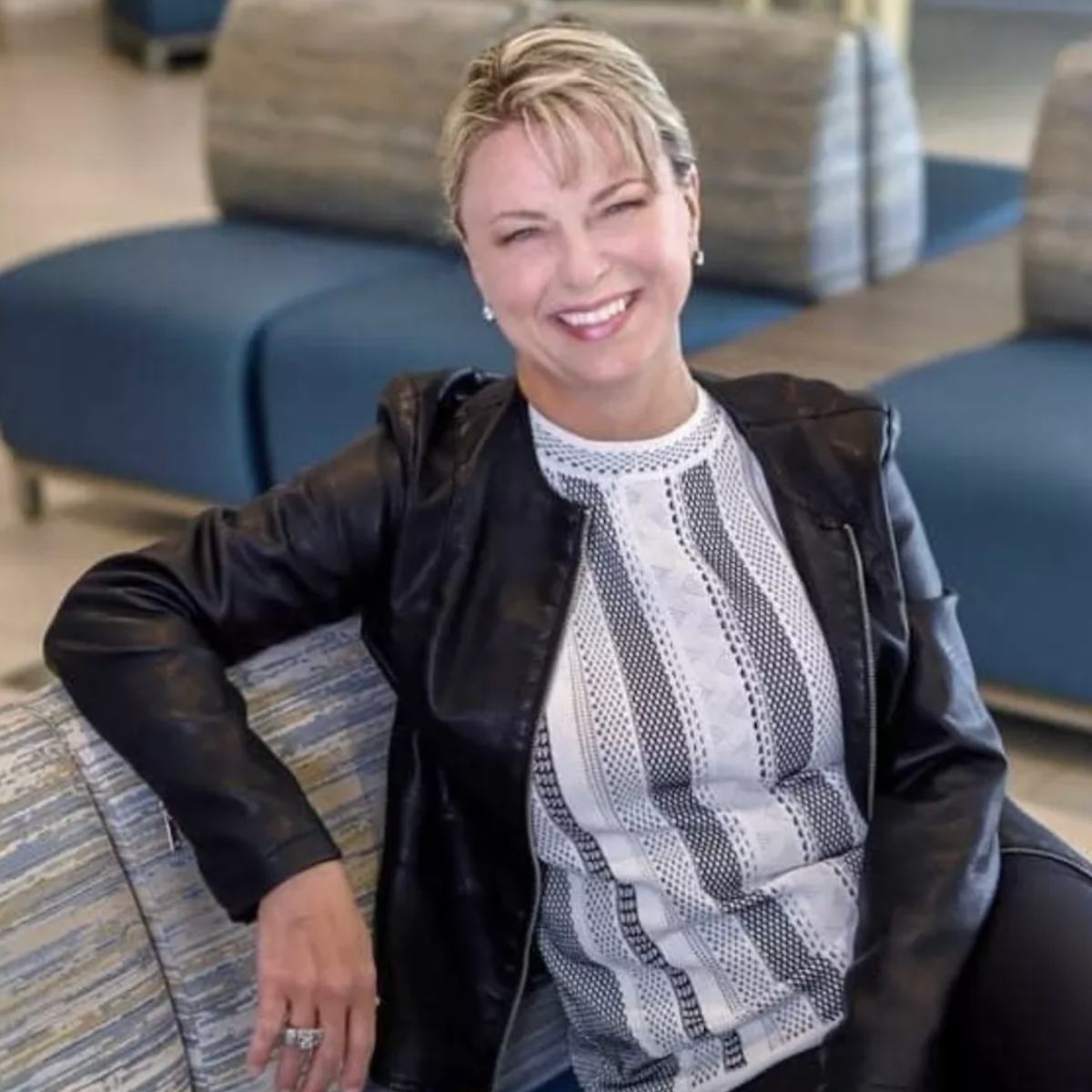
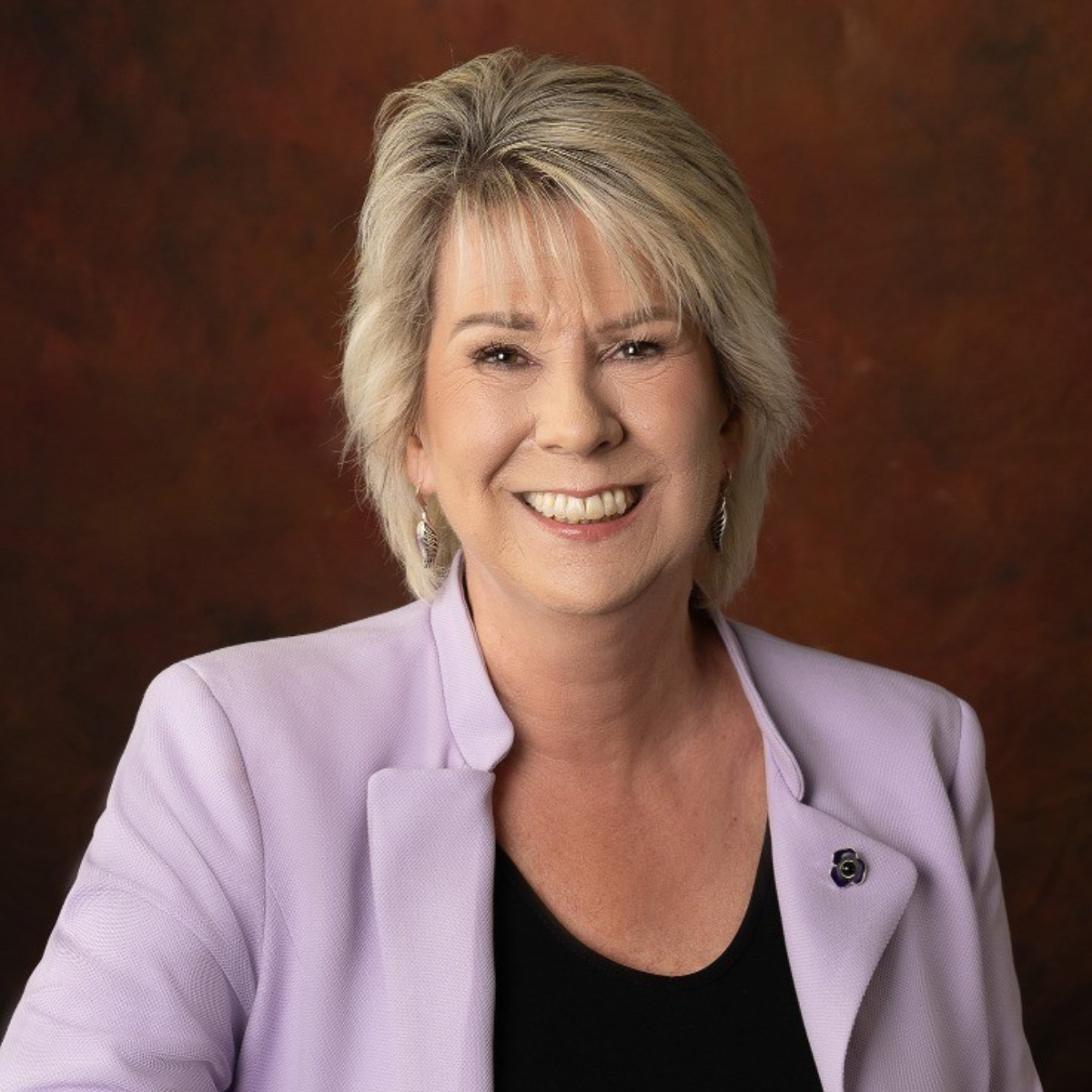
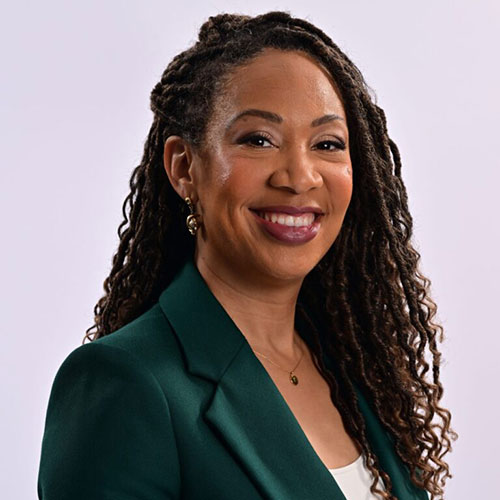
Central Florida’s arts scene is booming and Cheryl Collins is imagining bold new ways to welcome a whole new generation of theatergoers. As Executive Director of Orlando Shakes, she is reinventing the stage experience through immersive pre-show environments, dynamic staging and accessible community pricing.
In this episode, Collins joins SalterMitchell PR President Heidi Otway to discuss how that forward-looking vision took root, tracing the company’s growth from a two-play festival on Lake Eola in 1989 to its work today with Pulitzer Prize-winning playwrights. Tune in to preview the exciting lineup ahead and discover why there is a seat waiting for you.
Heidi Otway: Okay. Well, Cheryl, welcome to the Fluent in Floridian podcast. I'm so excited to talk to you today because I am a lover of the arts and Shakespeare, so looking forward to this conversation.
Cheryl Collins: Thank you so much for the opportunity. I can't wait to tell you all about it. Let's go.
Heidi Otway: Okay, so you spent much of your career working in Central Florida. And I want to kind of find out what has kept you rooted in this community and how has your experience in Central Florida shaped your approach to leadership?
Cheryl Collins: Okay. Well, I have spent the majority of my life here. My father was in the Air Force, so we moved into Central Florida due to his assignment at what was then McCoy. And so they bought a house. And when he retired at the ripe old age of 39, we came back here. So I have been here pretty much consistently now since middle school. I did go away for a couple of years to the Northeast, but was always drawn back really primarily because of family. When you are in the service, you are not near a lot of family a lot of times, so nuclear family is very important, and I wanted to be around my family as much as I could.
The reason I think that I have been able to root and stay here is something that hasn't changed, actually, for most of my professional career, and that is that we are such a rapidly growing community for so many obvious reasons over the years, and so transient, that our leaders in Central Florida have somehow created it so that the table is still there, the door is open. You don't have to have been a legacy member of the community for five generations to have a voice. Everybody is welcome at the table. And I love that, because, as I said, I'm not part of the original social fabric of creating Central Florida, but there was always a chance for me. And then, you know, I also was a young woman at a certain time when it might not have been as easy to find a seat at the table in some industries, but here I've always been able to find one, and I am very, very grateful for that—to feel like I have a little bit of impact on the town that I love.
Heidi Otway: Yeah, I love Orlando. I was just there last week; I'm there pretty frequently. My two daughters live there with my grandkids, so I'm down there all the time. So yes, it is a growing city, but it still has the same charm that it had when I was a little kid—you know, when you went to Disney World. It's hard to believe that, but it really has maintained that.
Cheryl Collins: And sidebar—you can cut this out later: next time you're here, you need to let me know, and you and your daughters need to come to a show.
Heidi Otway: We will! We will! No, we're keeping this in the show; yes, we will definitely come because, again, that's why we wanted to have you on the show is because you have such an amazing organization down there in Central Florida. So can you tell our listeners and viewers about Orlando Shakes and what you all do?
Cheryl Collins: Very happy to share that. Well, Orlando Shakes, we do have a direct association with the University of Central Florida, so it's Orlando Shakes in partnership with UCF. Started, as you had mentioned when we were chatting, as a two-play summer festival Shakespeare on Lake Eola, like so many communities have. But at that time, there were some visionaries, including a professor from UCF that had started that, and then a young actor who they decided to hire, a gentleman named Jim Helsinger. Jim has, after that appointment, partnered with our long-standing, still-standing chairman of our board, Mrs. Rita Lowndes. She and her husband were huge patrons of theater and really, really thought there was potential there.
And so, let's see, that was 1989 formed. Around 2000, the building that I am sitting in was the science center. And we built a new science center right behind this building, and this building was going to be torn down. And at that time, what became the organization that we have didn't have a permanent home; they had been doing shows in empty malls and all different creative and innovative things. But all of a sudden, there became some energy behind this, and so with the help of the Lowndes and their law firm—which is a very significant benefactor to this community in many ways—and UCF and Jim Helsinger, they formed what eventually became Orlando Shakespeare. And so we've been in this building since the year 2001.
And what does that mean for Central Florida? Well, starting as a Shakespeare festival, you know that it's classical. But it's not all we do. And if you're not trained in Shakespeare, sometimes that's a bit intimidating for people who might want to view the plays. So they knew that in order to build audience, had to have a fairly well-rounded mission. And so that has evolved over the years to be a combination of what we put on the stage, which is amazing, and we have a tremendous artistic and production team. They draw artists from all over the country and sometimes from out of the country, but we also employ locally too because, well, there's some really nice talent here in Central Florida.
Heidi Otway: Yeah, exactly.
Cheryl Collins: And so that is the first pillar of our mission. The second is a pretty large commitment to the development of new plays. Theater is an interesting industry for people that don't really understand how it works. Yes, there are the plays that we all recognize the titles of, mostly musical theater, but also classic plays. But new ones need to come along—that's how those got there. And if there's nobody supporting that creation, it falls flat and we start to run out of material, and we don't have plays being created that reflect contemporary views of society, no matter how they're presented and what era or genre. Speaking to societal messages today is very important. But it's not cheap, and it's not an industry people get into to become personally wealthy, and we're a non-profit. So balancing these things all the time for what we hope will be plays that will make it to the for-profit arena and ultimately, perhaps to Broadway or touring shows, takes commitment, and that is very solid here.
And then the third pillar, not surprising, but so important, is education. And we have tremendous programs basically from preschool all the way up through high school, and then we have a formal MFA internship program. So the Master of Fine Arts in Theater at UCF—every other year we get a cohort of about 10 of them, and they are with us in residence for the season. So they're seeing all sides of what an operating theater is like and getting more hands-on experience. And then they typically audition throughout the year and they'll get picked up in certain shows that we're putting on. And the final show of the year, which is a children's show, it's theirs—they are doing the whole thing.
Heidi Otway: They do the whole thing, direct—which is really great.
Cheryl Collins: Yeah, and so many of them, of course, go on to greater success that it's really heartwarming for us when they come back and take a turn on the stage again. In fact, right now we are celebrating—we just had an alumni performance from what we call one of our education programs called the Young Company. These will be high school students, and this is the only one that we audition for because they will ultimately put something on the stage. They just did an alumni performance of The Wars of the Roses, an adaptation putting those together, and we had people from 30 years ago all the way through now that are in the show.
Heidi Otway: That's a new initiative and driven by your Director of Education who started in that program? Really? Wow! So how many shows do you all put on a year?
Cheryl Collins: For what we would call our Signature Series, like what most people think of when getting their subscription to the local theater, we typically have five shows in that package. Then we do a holiday tradition show, A Christmas Carol. In addition to that, we do right now two children's shows per year, one in the fall and one in the spring. And we have a more recent addition to what we put on the stage in our concert series. That grew from innovation, right? During COVID, we couldn't put actors in close proximity and so forth, so the terrace here was used because it could be socially distanced and easier to set up for a one-night cabaret than a fully staged show. Those have become very, very popular, and so now we do those in our larger venue, and people have an expectation around it now. So I'm very excited for that.
So I think that's kind of the high marks. We do a festival during the year on the new play development I told you called PlayFest. That is coming up the end of October and beginning of November, which is the time we usually have it. In this particular year, we're really excited because we will have five new plays that playwrights prop—people may or may not be familiar with—and they'll be hearing a full reading to help give feedback to them as they hone those in.
And then as a special happening, we have had really good fortune through the leadership of Jim Helsinger and our Director of New Play Development, Roberta Emerson. They have connected with the playwright James Ijames. James did a show that we put on our stage last spring called Fat Ham, which was an adaptation of Hamlet, and it takes the story quite out of the normal. But it was great—it's an amazing, amazing show. Has a much more humane ending, I'll say.
Heidi Otway: But wait, did you really say Fat Ham?
Cheryl Collins: I did! I did! And this is James's imagination: the lead character, who is Hamlet, his name is Juicy in the show. And so this was definitely getting people to confront some concepts that they may not be dealing with every single day. But it was done in such a poignant and heartfelt way. They were dealing with the issue of homosexuality in the Black community, how that goes down with families, and what the very patriarchal father character's view on this was, and how this all evolved. But Juicy himself, or Hamlet, decided he didn't need to kill his new stepfather, so we were really happy about that at the end.
James, however, got a Pulitzer for that, and so he is being very sought after. And all through this time, we've been working with him on the development of this play, Their Eyes Were Watching God.
Heidi Otway: That's one of my favorite books! I just got goosebumps when you said that.
Cheryl Collins: You should! You should, I knew it! Because, you know, if you know, you know—that is a very big deal. And we're so excited. He will come and actually do a reading of that play during our PlayFest this year.
Heidi Otway: Oh, wow! So that's going to be super exciting for a lot of people in the community.
Cheryl Collins: You are welcome to come to that.
Heidi Otway: Oh, listen, I've got to get the date!
Cheryl Collins: Yeah, yeah, I will send it. And of course, you may know that Eatonville is very close to where we are and where Zora grew up, and it's about her community and all of that. And so we are so excited, so honored to have our organization have this opportunity to bring that story. As so many people have said to me from every walk of life: "I love that book, I love that book!"
So excited, and it was really great, too, because we were able to triangulate around this for the different parts of our mission. We received an NEA Big Read grant, and we of course did it on that book. So we were at the Zora! Festival for the last couple of years and doing outreach in the community to get more people to read the book and realize the history that's here. It's so great no matter where you are, but to live right next door to it, you want to be familiar with that, right? So very important work for us, and I truly think that is going to be a paradigm shift for this organization in terms of notoriety and people being aware that we're here.
This is my call to action: it's great stuff on the stage, but you need to make sure everybody knows we're here, because there's a lot of people that don't know we're here.
Heidi Otway: Yeah, we're working on it! Well, you're listening to the Fluent in Floridian podcast. We're going to take a quick break and we'll be right back.
(Break)
Heidi Otway: So Cheryl, you got me all excited about that iteration of Their Eyes Were Watching God, and it really kind of goes well into my next question for you, which is the innovation that you have to take in the arts to keep bringing audiences back. So it sounds like you all are being very intentional about that. I'm curious to know what guides your decision-making to put on programming that you feel, know, and believe is going to bring in those audiences and patrons of your organization?
Cheryl Collins: Very good question. Obviously, ultimately our Artistic Director does make the choices, but he does spend a lot of time with our board, with informal talks with donors and patrons from the community, and then obviously with our staff about the very question you're asking: "Is this important? Is this well-timed? Is this really going to bring people here? And is it a good illustration of the totality of our mission?"
So it is a very carefully orchestrated combination. We commit to doing two Shakespeares a year, since that is our foundation. And then there will be three additional plays. We try to get a new play in every year if we can, and then some things maybe that are a little bit more known in the popular realm so that it's not quite as intimidating for people. Because audiences are changing very, very rapidly.
And so also to answer that question, it can't be circumstantial or willy-nilly anymore. Way too costly and way too long of a ramp to prepare for these. We're looking out two seasons for sure now, and we'll probably be getting into a three-year posture before too long, because of the money involved. You've got to be really lockstep with what you're doing, and to get the rights for these shows, if they're existing, takes a long time. A lot of competition for those that are popular, so that is brought into mind.
Where I was going to pivot to is: these are questions that are keeping me up and everybody else involved with this organization, because we want it to survive well past its 40th, which is coming in a couple of years. So we did commission a patron survey study this year, a pretty robust one. You know, there are trends in your industry and you can listen to those, but every market is a little bit different, right?
So what we found out interestingly—well, this part isn't interesting, we knew: we had a lack of awareness, and yep, check, that's still there, we've got to work on that. But as far as what we're putting on the stage, there was more interest in Shakespeare than we expected. And it was coming from youth, which we did not expect! What we're finding is a whole bunch of young people are either studying or planning to study some element of live performing arts, so they're very interested in what's happening. And so they may not have as deep pockets, but they have the interest and the desire, so we're trying to work through ways to make it affordable and accessible for everybody to get in here and see these shows.
And we can't ignore our classic audiences because, well, they've paid the bill to get us here, and we certainly want to keep them happy as well. So having a balance between those two is very, very important.
Your question specifically on innovation: some of the things that are not necessarily unique to Orlando Shakes, but in the theater industry—where do we live? We live in the theme park capital of the world. People's expectations for production value and things like that are very high if they're in this market. And what else the theme parks do so well is full immersion, right? You are getting it from the second you connect until the last minute that you are ever going to leave the parks—some aspect of what they're trying to convey.
So we now have, for the third time—very excited that UCF, that we have the partnership with, has a major in themed entertainment / themed experience. We are partnering now with their students. For example, we are doing Dracula: A Comedy of Terrors over the Halloween period this year. Halloween is very popular here too.
Heidi Otway: Very popular, yeah.
Cheryl Collins: But this is the comic twist. This plays really well for our audiences; they like the scary, but the comic is good too. And so our entire lobby will be themed out immersively. So it's not just when you get in the theater; when you hit the front door, something is going to happen that takes you into this journey. People seem to really respond to that; they like it, it's more fun, and it's more of an experience. That seems to be the future, or what we're focusing on right now, aside from affordability and those kinds of things.
Heidi Otway: I love that, and that just sounds so exciting to me. And I'm not a big fan of that kind of genre stuff, but I'm intrigued. I might have to make a trip down for that one.
Cheryl Collins: Very funny! We did Hound of the Baskervilles last year, which is Sherlock Holmes, and it was also done in a spoof adaptation. I had tears rolling down my face I was laughing so hard every time I went in there. And so we expect that kind of a reaction from the audience. We also do it in our smaller theater, which is about 120 seats, and it's proscenium style—you are right up on top of it. The actors are so close to you. And they also tend to use the whole theater, so they'll run through the aisles; you never know who's coming by with a sword or something!
Heidi Otway: Oh, my goodness!
Cheryl Collins: It makes you feel part of it. And that is a hallmark of what our artistic team tends to program: anything that can involve the audience in some way in the show, they're all about it.
Heidi Otway: Do you think that's the future of theater? And then also, is that part of your vision for taking Orlando Shakes to the next level?
Cheryl Collins: Yes, I do think it is part of the future of theater. I just think there's so much available to people now in terms of whether it's technology—to actually use projections and things like that in the show—or better technology that allows the scenic people and the costume people and all to just do a better and better job at each of their elements. The quality just continues to rise.
We are very interested right now in working on investing in our sound and lighting equipment and things like that so that we can meet that expectation with the best sound. You know, there are actors that we don't mic them all the time. We do sometimes, especially if they sing, but they're not always mic'd. So they've got to be able to get that out there, and having good sound and acoustic control is really important for the audience to enjoy.
And let's see, bring me back to part two of your question...
Heidi Otway: Your vision, your vision.
Cheryl Collins: The vision! Okay. So Jim has been here for 31 years. And he has done what everybody on the planet dreams will happen when they are going to ultimately lose their leader, in that he is very, very generously planning his retirement. So we've got a two-and-a-half to three-year ramp for succession.
I feel that my call to action is to walk step-by-step with him to make sure that the business side of the house here is as stable as it can be, so that when the next artistic director comes in, they arrive to possibility and not problems. And I feel that this can be done. I have so much faith in the opportunity here, the magnitude of talent and so forth. We just need a big megaphone to make sure that everybody knows we're here.
And then the forward vision will be that, okay, now what? I really think that this theater will catapult at that level. I know that there's going to be a national search done for the next artistic director, and they're going to need to bring some chops to fill the shoes that they have, so I have no doubt that's what will happen. And I just want everybody to feel like we are only stopped by the amount we're ready to dare to dream.
Heidi Otway: Yeah. So, I heard you say very clearly that you're working really hard to let more people know about Orlando Shakespeare. But then there's some people who've never even been to a theater or never even thought about going to a play. I remember when I was a kid in Miami and the first play I went to see, and it blew me away. I think I was like 11 years old; my mom got me all dressed up, pressed my hair and all of that, and it was one of the most phenomenal experiences of my life. So for those who are listening or watching, what would you say to them to say: here's how to have this experience and why you should have this experience?
Cheryl Collins: Okay, well, there's kind of two parts to that. For the future, we are very blessed in Central Florida. We have a large district; the Orange County Public School system is big, so even though nobody has a lot of money, because of their size they can aggregate it.
We do field trips all through the year. And our approach is a little bit different in that we do have shows that are appropriate all the way from Pre-K up through high school, and our field trips are doing great things this year. So now we know we're getting kind of a swath of the young people. The younger they are, the more their parents are involved.
So that's the first: if they're little, we have done a whole campaign this year about bringing them to the stage. Come and make a family outing of it. It's not going to be overwhelming. Like, we're doing Corduroy, the book Corduroy, this fall.
Heidi Otway: Oh, I remember that book!
Cheryl Collins: Of course, we all do, right? And it's so sweet, and it's very simple, and it's hard to think you can make a whole play out of that, but for children's programming it's amazing and they're so excited and they experience it together because they've probably read this book before. And that is kind of the approach of our children's programming: to engage families.
For those that are beyond school years and for whatever reason you just have never done it: pick something that has a familiar title that you kind of know the story a little bit so it's not going to be quite as intimidating, and just give it a whirl. And we have all kinds of opportunities. We have "pick your own price" shows for certain times. We do a lot of community and affinity nights to encourage communities that we don't always connect with, and try to do what we can to mitigate pricing to get people in the door so they can catch the fever.
And that's really probably the easiest way. There's a lot of people that will go to a Broadway show, or Broadway in Orlando or something, because they're like, "Oh, I know that title," or "I saw that as a movie when I was a kid," or it's not so foreign. I think that's the key for us to get people here: we're not scary, come on in.
Heidi Otway: Yeah, come on in! I am so excited that we did this show today because we really wanted to get the word out about Orlando Shakes, and I'm just so thrilled that you said yes to being our guest on this Fluent in Floridian podcast. So thank you so much. I need to get those dates from you when we're done recording so I can put them on my calendar.
Cheryl Collins: Okay, that sounds great. Heidi, thank you so much for the opportunity, and go Shakes!
Heidi Otway: Go Shakes! Thank you.
Be notified when new episodes of the Fluent in Floridian Podcast are released and receive public relations, communications and marketing expertise from SalterMitchell PR.
SalterMitchell PR is a full service communications consultancy helping good causes and our clients win. For 25 years, we have provided strategic insight and guidance to organizations seeking to make an impact in the nation's third most populous state. We know Florida. We understand the diverse landscape of Florida. We are fluent in Floridian.
Tallahassee Headquarters located at:
117 South Gadsden Street,
Tallahassee, Florida 32301
(850) 681-3200
Copyright © SalterMitchell PR 2021. All rights reserved. Privacy Policy.