


%20copy%202.png)

.png)



%20copy%202.png)


%20copy%202.png)


.png)
%20copy.png)




Tallahassee Headquarters located at:
117 South Gadsden Street,
Tallahassee, Florida 32301
(850) 681-3200


Copyright © SalterMitchell PR 2021. All rights reserved. Privacy Policy.


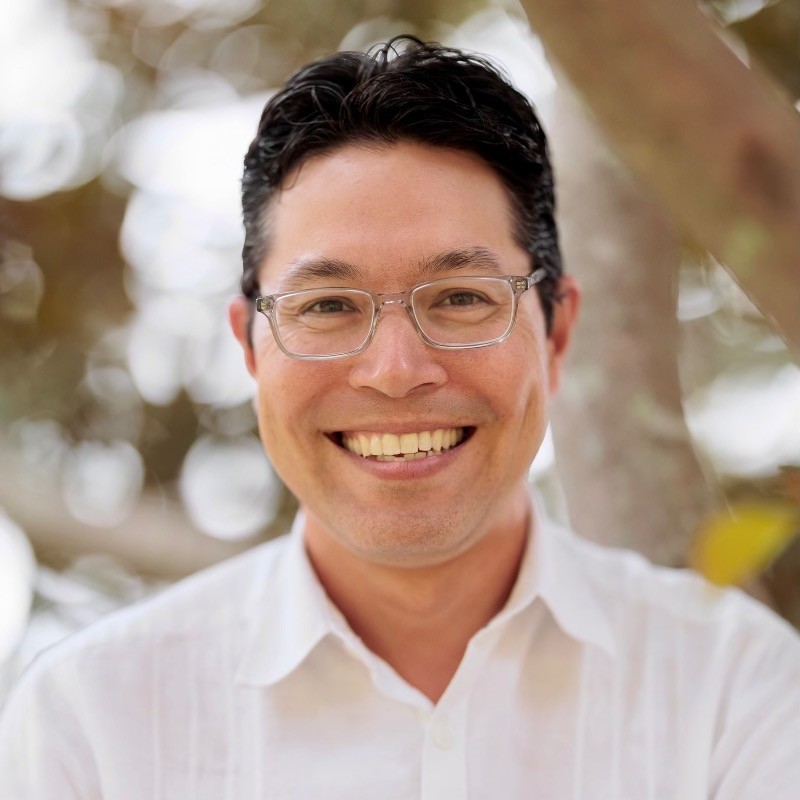
With the longest coastline in the continental U.S. and 825 miles of warm, accessible beaches, Florida has a lot of shoreline to protect. That’s where Pepper Uchino steps in.
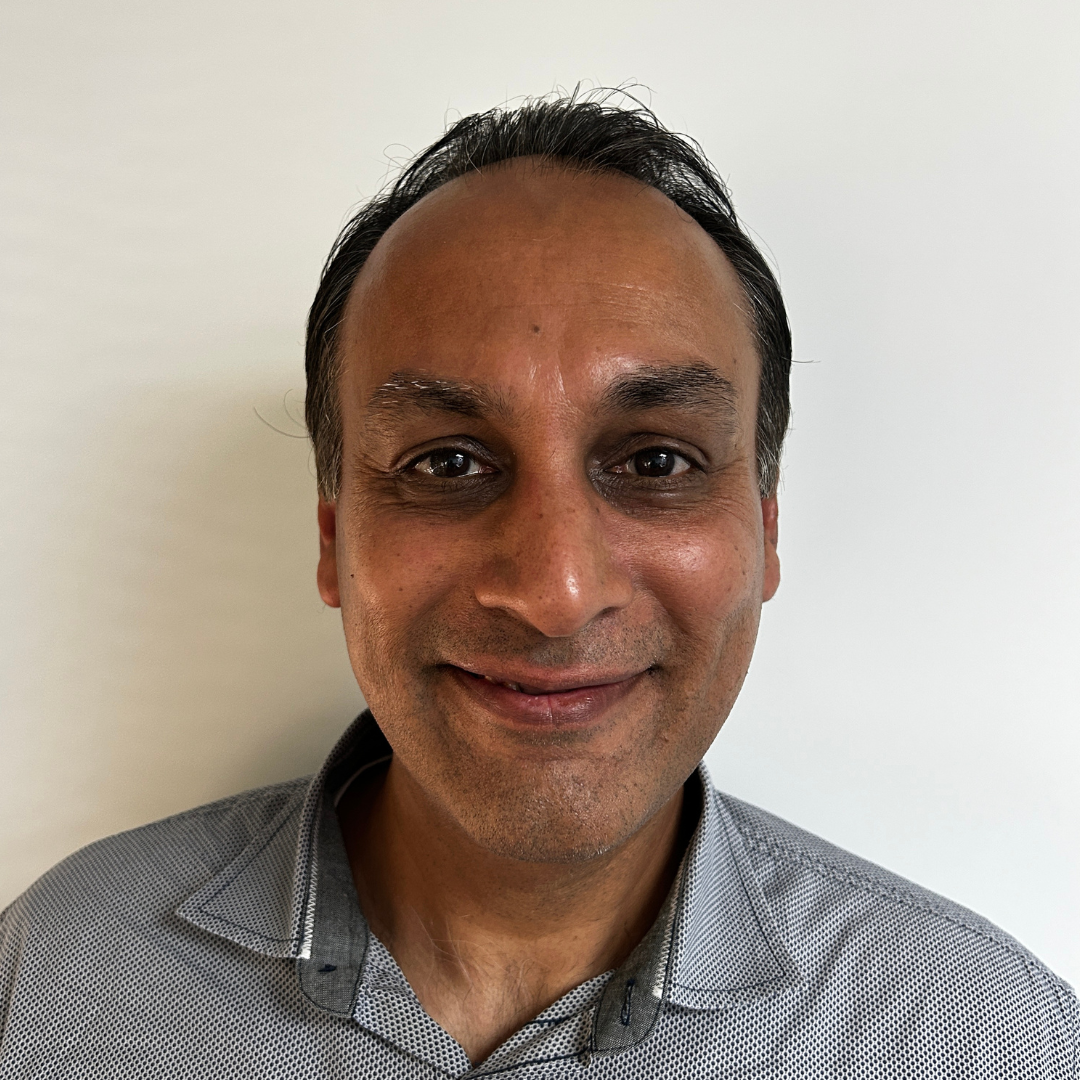
As president of the Florida Shore & Beach Preservation Association, Pepper leads the state’s only organization dedicated to coastal preservation, beach protection and shoreline resilience. With beach and waterfront activities being one of the most popular draws for visitors, Florida’s natural coastline isn’t just beautiful, it’s a vital part of our tourism, economy and environmental health.
In this episode, SMPR President Heidi Otway sits down with Pepper to talk about his unexpected path into environmental advocacy, the future of Florida’s beaches and why developing the next generation of coastal engineers is essential to protecting our state’s coastline for years to come.
Heidi Otway: Pepper, welcome to the Fluent in Floridian podcast. I'm so excited to have you as a guest today. We're talking about one of my favorite spaces and places that I love to visit in Florida, and that's our beaches and shores, so I'm looking forward to this conversation.
Pepper Uchino: Thank you so much for having me on. It's an honor to be on the podcast, looking forward to talking about all things that you love and that I love now, beaches.
Heidi Otway: Yeah. Tell us about your background and how you made your way to Florida and your connection to our state.
Pepper Uchino: Yeah. So unlike those people that you hear fifth, seventh generation Floridian, I am not that. I'm barely a first generation American. I was born in Chicago and lived there for about 18 months before my folks split. And my mom moved to Connecticut, little tiny town right outside New Haven called Woodbridge, Connecticut. I lived there since I was 13. When I left in 1990, I think there were about 7,500 people. And now in Woodbridge, however many years later, there are about 9,000. So possibly metropolis, no stop lights. I think we had one red blinking light. Very small town. Very small town. We didn't even have a middle school. We had to share a middle school with our neighboring town and they shared our high school.
1990 comes along. I actually got pretty ill due to allergies. We didn't know what it was, but it was allergies. And once we figured it out that the allergist said, "Well, you either have to move to Arizona or you have to move south of Lake Okeechobee." And that was in 1990 when I was 13. So moved down here and well, the rest is, they say is history. But I did not like Florida when I first got here.
Heidi Otway: Tell me why.
Pepper Uchino: You grew up in Connecticut and skiing, fall like the epic New England fall that everybody goes to see. Raking, jumping into a leaf piles. And so then you move to Florida and south of Lake Okeechobee, it's like dry season, wet season.
Heidi Otway: It is hot.
Pepper Uchino: It's hot.
Heidi Otway: It's hot.
Pepper Uchino: It's humid. There's no snow. And so it took me a while. It took me a while to get the groove of Florida, but it's where I call home now. I don't think I would ever leave.
Heidi Otway: Yeah. Now, I always ask people who were in Florida when they were in high school, middle school, what high school did you go to and were you in Miami?
Pepper Uchino: Fort Lauderdale.
Heidi Otway: Fort Lauderdale, okay.
Pepper Uchino: Yeah, Fort Lauderdale. I went to a school called Pine Crest.
Heidi Otway: Aha, yeah.
Pepper Uchino: In Fort Lauderdale.
Heidi Otway: Okay.
Pepper Uchino: Great preparatory school. I was there for ninth grade as a day student. It's got a day in boarding aspect to it, so I was there in ninth grade and then my mom got transferred to Jacksonville, and so I had to move up there with her and I got sick again because remember south of Lake Okeechobee?
Heidi Otway: Oh my goodness.
Pepper Uchino: I've grown out of it now.
Heidi Otway: Yeah, that's good.
Pepper Uchino: I've completely grown out of it.
Heidi Otway: That's good.
Pepper Uchino: But she couldn't transfer back necessarily, and obviously I couldn't go to school. I actually went to school in Jacksonville by phone, if you can believe it. I was like.
Heidi Otway: Really?
Pepper Uchino: Yes. I was with those kids that had no immune system and all that stuff, and I had-
Heidi Otway: You were like bubble boy, were you?
Pepper Uchino: Kind of.
Heidi Otway: Wow.
Pepper Uchino: And so I took geometry over the phone, I don't recommend.
Heidi Otway: Yeah, I can't even fathom.
Pepper Uchino: In 11th grade I went into the boarding program and I stayed in Miami, well, south Florida, all the way through law school.
Heidi Otway: And you went to the U.
Pepper Uchino: I went to the U. That's right. Go Canes.
Heidi Otway: Let's talk about that. What did you study there?
Pepper Uchino: My undergrad was in marketing with minors in English, concentration advertising. So I really wanted, thought I wanted to do advertising.
Heidi Otway: Well, if you change your mind, we do advertising at Salter Mitchell PR.
Pepper Uchino: I love it. I still love it. I really do. And then, so I graduated, I worked a little bit in the field, production assistant stuff, and then realized that I wanted to do something else. I figured out where my center was and it was really environment.
Heidi Otway: Yeah.
Pepper Uchino: So I applied to, my wife, well, my then fiance who also, by the way, triple Cane, shout out.
Heidi Otway: Okay, there you go.
Pepper Uchino: Shout out to Barbara. We were just applying all over the place and obviously Miami was in our list. I applied for the master's program in marine affairs and policy. Marine, like coastal, not armed forces.
Heidi Otway: Right, that part, let's talk about it, yeah.
Pepper Uchino: And law, because I wanted both avenues available to me to affect environmental policy. And turns out that was the only school that we matched at, of all the schools we got into, we only matched at Miami, so we figured we could try four or five years apart or we could just become triple Canes. We became triple Canes.
Heidi Otway: I love that. What prompted you to go into this area of the environment? What prompted that?
Pepper Uchino: Back in Connecticut, my mom was heavily involved with the Sierra Club and she was actually on the Governor's Council for Environmental Quality or something like that. My recollection is that she was the head of the New Haven chapter of the Sierra Club. I'm pretty sure she was, if not, she was very involved in it.
Heidi Otway: Yeah.
Pepper Uchino: We just grew up, or I grew up walking the trails and the creeks and all that stuff and going to these Sierra Club events and seeing my mom sit on this council. So it's something very near and dear to my heart. And so when I decided, when I knew I didn't want to do marketing anymore, decided where my center was, I always came back to the environment. And so I figured, okay, how can I make a career out of this?
Heidi Otway: Yeah. What led you to your current position with the Florida Shore and Beach Preservation Association?
Pepper Uchino: Started, when I graduated law school. I got a job offer up at the Trust for Public Land, which is up here in Tallahassee. I didn't actually start in the policy arena at all. I was going to be a project manager for their real estate deals, for their conservation real estate deals, and that was in 2007, late 2007. And literally two weeks after I started, the Director of Government Affairs left to take a different position, I believe in DC.
The state director actually approached me and he was like, "This is kind of in your wheelhouse, right? This whole law and environment stuff."
I was like, "Yeah, that's exactly what I want to do," so he gave me the interim position for legislative affairs.
Heidi Otway: Okay. Can I ask you a question? How old were you when that happened? Early twenties?
Pepper Uchino: Oh, let me think. No, no, I was 30.
Heidi Otway: Okay. Right, because you had went to.
Pepper Uchino: Law school.
Heidi Otway: Law school and all of that, right.
Pepper Uchino: I had worked for a little bit.
Heidi Otway: Okay, gotcha. Okay.
Pepper Uchino: Yeah, I was 31.
Heidi Otway: Wow. So that's still young though, by most standards.
Pepper Uchino: Still young, yeah. I had a really amazing mentor, Lester Averger, who actually just passed away.
Heidi Otway: Oh, I know. Yeah, his wife is one of my dear friends.
Pepper Uchino: Yeah, so.
Heidi Otway: That was shocking.
Pepper Uchino: Yeah. So yeah, Lester showed me the ropes and led me all around the Capitol and showed me all the secret doors and secret handshakes.
Heidi Otway: Yeah. I have to be honest, I didn't know about the Florida Shore and Beach Preservation Association until I met you, but I did a little research and this organization, this association has been around since the 1950s.
Pepper Uchino: Yeah.
Heidi Otway: So what prompted its development? Can you give us a little bit of its history?
Pepper Uchino: Yeah, I mean, as much as I know, so I've been with the association since 2019, like you said, 1957, it really started, as far as I understand, it started as an economics development association where they were really concerned, I guess there was a group of about 37 local governments that came together because they were worried about coastal erosion and how it was affecting the tourism industry.
Heidi Otway: Back in the 1950s.
Pepper Uchino: Back in the 1950s, like Miami Beach.
Heidi Otway: Yeah.
Pepper Uchino: If you see aerials from there, you can see Miami Beach is, it's a rocky shoreline over revetments. I mean, it's coral rock that's piled up to protect all the structures and stuff that were right there on the beach. They came together and it was really more of a, how can we stop coastal erosion so we can protect our economic engines? And it has since evolved a bit into, I mean, it's still tourism economics, right? I mean, beaches are the main driver of economics in Florida, but now it's much more balanced in that sea turtle nesting, shorebirds, endangered species, flood control, all those sorts of things. We have a much broader, more well-rounded portfolio now of our concerns, not just economics.
Heidi Otway: What's the makeup of your members and what do you all do to support Florida's shorelines and beaches?
Pepper Uchino: We are the only statewide association that does it. We're a membership driven organization, Two-part mission, both advocacy and education. And the vast majority of our members are coastal entities, whether that be public sector, which is the majority of our membership is public sector, I think every single coastal county is a member of ours, and many, many of the coastal cities are members.
Heidi Otway: Yeah, that's a lot.
Pepper Uchino: It's a lot. Yeah, it's a lot.
Heidi Otway: That's a lot of members, wow.
Pepper Uchino: And then of course, like all the private stakeholders that the engineering firms, consulting firms, all those make up, round out the portfolio, and actually a bunch of individuals that just care about beaches and want to be a single family member.
Heidi Otway: Really.
Pepper Uchino: So we do have a number of those too.
Heidi Otway: Yeah. So tell me about some of your work that you're doing in this current environment. What is the biggest concern or the biggest issue that you all are working toward right now?
Pepper Uchino: It's 100% without a doubt funding. It's funding,
Heidi Otway: Funding for?
Pepper Uchino: Funding for repairs. Really, when you think about beaches and protecting beaches, you have to think about two different things. One is the day-to-day bands, you think about painting your home every so often, right? And you have to do that all the time. Otherwise, bad things start to happen so you don't have these kind of chronic conditions that pervade. And then the other one is like a tree falling on your house, right? It's these acute things. These are those storms. Hurricanes, tropical storms, nor'easters or whatnot that cause massive acute erosion. So it's two part, you have to fund both the acute disaster response, but you then also have to ensure that the long-term chronic maintenance issues get taken care of. Otherwise, in both instances, you have degradation of the near shore environment.
Heidi Otway: Oh my goodness. I think about at the Florida Museum here and the other museums I've gone to, they actually have this model where you can see how Florida has shrunk.
Pepper Uchino: It's really cool.
Heidi Otway: You know what I mean? Where you go the water's there and then the water kind. You're like, "Wait a minute, we're going underwater." Do you all do any kind of education around that just to help keep our beaches beaches, if that makes sense?
Pepper Uchino: Yeah. That part really goes to the education of the members, legislative members about how will sea level rise, impact.
Heidi Otway: Sea level rise.
Pepper Uchino: How will more intense storms impact our beaches and what we can do about that? So that's really the erosion, the accelerating erosion aspect of it. I think a lot of the, because the members, they have so much going on any given time. I think the general public has the idea of sea level rise can affect our beaches.
Heidi Otway: Yeah, exactly.
Pepper Uchino: Yeah. So it's not too much of the public sector education stuff. It really is. That is part of the advocacy mission.
Heidi Otway: That's interesting. We did some work with Miami-Dade several years ago to talk about sea level rise, so we did focus groups and surveys and group sessions just to educate people to get their perspectives on potential ways to mitigate it and help produce this massive report for now through 2030. And so it was going to be due for an update really, really soon. So I know you all, we were talking recently and you talked about you all just had a big conference, right?
Pepper Uchino: Yes, yeah.
Heidi Otway: And it was one of the biggest you had had.
Pepper Uchino: The biggest.
Heidi Otway: The biggest.
Pepper Uchino: Yeah, the biggest.
Heidi Otway: Yeah. So tell me about what did your members experience? And again, I want to go back to the education because if we're not a member as Floridians, so it's a two part question. How was the conference? What did they get out of it? And then for those of us who weren't able to go to the conference, but we want to do something to support our shores and beaches, what can we do?
Pepper Uchino: Those are great questions. So yeah, the biggest conference yet to date.
Heidi Otway: And congratulations.
Pepper Uchino: Thank you. No, I appreciate it. I mean, it is a labor of love. It's a lot of labor. But now after the product was completed, now we can see the lot of it. But so prior to me joining the association, we've held that since 1957, right? Our inception, we have held an annual policy conference on beach erosion, coastal erosion since then so it's been a long time, over 60 years, almost 70 years now. We're coming up to our 70th anniversary. And so early, hearkening back to one of your earlier questions like how did I get to FSBPA? Right before I joined FSBPA, I was at a lobbying firm, and two of our members back in 2015 asked us about the impacts of sea level rise as it was happening to them right then, so back in 2015.
Because a lot of people were talking about, "Oh, how do we plan for this?" But they were experiencing sunny day flooding, and then the other ones case, they had sea life encrusting their valves on their discharge, their stormwater discharge, so they couldn't close the valve. So when the tide came up, they would flood. This is St. Augustine. It would flood the parts of the old city with salt.
Heidi Otway: Really? Oh my goodness.
Pepper Uchino: We looked everywhere and we couldn't find them an organization to join. And so my partners and I, started a nonprofit called Resiliency Florida, which is now our partner in this conference.
Heidi Otway: Yeah.
Pepper Uchino: And so when I came to Beaches in 2019, I said, "You all have been doing a great job for 60 or something years. Let me tell you what's coming down the pike. This resiliency thing is on our doorstep, and if we don't start to get ahead of this, we're going to be very [inaudible 00:15:53]."
So my big initiative when I came to Beaches was to take a more holistic look at resilience, systematic look at resilience, because I knew the current models were not going to support funding. We weren't going to be able to throw enough money at the system with our current models back in 2019. So yeah, this now historical, I guess historical beach conference now becomes this holistic resilience conference with beaches as one of a track.
I mean one of the tracks of it. And it just brings everybody together in the same room. Because when you're talking about beaches, when you're talking about roads, when you're talking about energy, when you're talking about planning, they're all in connected. It's like a spider web, you pull on one, everything else is shifting around. And so I wanted to make sure that we were having these discussions that we could examine these systems holistically in Florida. So that's the first part of your question.
Heidi Otway: Yeah. I wanted to follow up with that. What was the biggest highlight for you? I mean, you're sitting there and you got six accurate or more people there in the room. What was that aha moment for you having hit that high number?
Pepper Uchino:
Honestly, I think it's just having that many dedicated people in the room, right? When you put something out there, you're starting it from scratch and you just don't know. I mean, our first one was a pilot program, and I think we maybe had 110 people.
Heidi Otway: Oh, wow.
Pepper Uchino: It was hybrid, it was during COVID.
Heidi Otway: Oh yeah, right.
Pepper Uchino: We had 30 people in the room and maybe 75 people or 85 people-
Heidi Otway: Online.
Pepper Uchino:... online.
Heidi Otway: Oh my.
Pepper Uchino: And it was a complete pilot. It was one afternoon.
Heidi Otway: Oh, wow.
Pepper Uchino: It was a conference within a conference.
Heidi Otway: Yeah.
Pepper Uchino: To now see all these dedicated people in the room that are working to make Florida more resilient and just a better place to live and work and play, all the things that are important to us.
Heidi Otway: Right, exactly.
Pepper Uchino: We have that many dedicated people in the room. That's what, you can sit back and you realize, all right, this is something We're building something.
Heidi Otway: Even though I live in Tallahassee, I still am going to the beach as I mentioned earlier. What is the role of the everyday citizen in this?
Pepper Uchino: We have beaches basically in every county that treasure coast or forgotten coast, it's a little bit less. It's a lot like just regular shoreline. Still beautiful, wild, but it's not those beautiful sandy beaches that people associate Florida with, more mangroves and those kind of things. But literally every mile of our coastline is important. So if you live in an area and you have a representative or senator, which you do.
Heidi Otway: Yes.
Pepper Uchino: Tell them how important beaches are to, or beaches or shores, whatever it is that's important to you, whether that be fisheries, for those mangroves. That there are breeding grounds for our commercial species and recreational species, whether that be a beautiful white sand beach that you want to go and take your family to, or that you own an inn and people come and visit that. Really, it's that message that this shoreline is important to me, and legislator, I want you to know that.
Heidi Otway: Yeah. Do you all support or advocate for some of the newer technologies that are out there? I mean, I've seen video of drones flying over our beaches just showing either the tides or the sharks or the people. What role does technology play in beach preservation and resilience efforts?
Pepper Uchino: It's huge. That's a great question. It's really huge. I mean, just probably not more than 10 years ago, they were flying planes, literal planes with people on them to get these beach elevations and everything so that when storms hit or when coasts, because these are engineered systems. These restored beaches are engineered flood control projects. They look beautiful. They are economic engines, but at their very core and heart, these are engineered flood control projects. So having those elevations constantly updated and the lack of obviously an expense of hiring a plane and going out and getting this mounted equipment when you can just fly a drone out there now, so much better. And we have seen drones and drone technology for both elevations and bathymetry and all sorts of stuff that really take off in our market.
Heidi Otway: Okay. What was that last word you just said?
Pepper Uchino: Bathymetry?
Heidi Otway: What is that? I love learning new words. What does that mean?
Pepper Uchino: It's basically like the underwater elevation changes.
Heidi Otway: Really? Okay.
Pepper Uchino: But you can do that now. They have equipment that can shoot through the water. That used to be one of the areas. It was too reflective. But now they've got a lot of equipment that can do that now.
Heidi Otway: That is so cool.
Pepper Uchino: It's really wonderful. And again, that's part of the whole engineer system, but also to look at your hard bottom resources that are inshore because you certainly don't want to cover up corals or damage any of the hard bottom. So that's on every area in the state. But in those areas that they exist, they're vitally important to the ecology and the economy. That and then AI, right?
Heidi Otway: Yeah. I would have to imagine there has to be something within ChatGPT that's all about Florida beaches and resiliency and preservation.
Pepper Uchino: Yeah, I think that's the cutting edge now of what's coming. I personally haven't seen it have too much impact yet, but it's definitely coming. It's definitely from either the permitting side, it can just cut down on a lot of hours that have to be put into some of the more mundane aspects of reporting, engineering, those sorts of things. You might be able to plug those systems in AI. Could take maybe some of the burdens off to do some, use those personnel hours for other aspects. That can just be AI. But I don't know. I haven't quite seen it yet. I know DEP is looking at that, some of those issues. And I don't know, I think stay tuned on that one. That's going to be what's happening. What's on the horizon now? I don't know yet.
Heidi Otway: Well, based on what you've shared with me so far, you're definitely a disruptor so I can see you telling me a couple of months ago, "Heidi, guess what? We've come up with this AI technology to help with this."
Pepper Uchino: It's really fascinating. Just aside from beaches, just thinking about you type a prompt into ChatGPT now, and you get a whole college essay in 30 seconds. It used to take us weeks in the library, do the same thing.
Heidi Otway: Yeah. That's interesting. I know we got to wrap up soon, but that was really interesting what you brought up. What is the next generation of people like you? What are they studying? How do young people look into this? Because thinking about, well, so 30 years from now, who's going to be in your role? So what are you all doing, I guess, to bring in the next generation of young people who support our beaches and continue the work that you're doing right now?
Pepper Uchino: That's a great question. It was one of my big priorities when I came to Beaches. As part of the education mission, we hold two conferences. The one that we talked about, which is the Resilience Conference. And then the other one is a national tech conference, a beach preservation technology. And what we were seeing is a definite lack of that next generation. We were seeing it, our consultants, our private consultants that are our members, were talking about it. We have initiated a much, well initiated, we're doing a much better job of outreach now with colleges and universities. Intentional. That's a perfect word for we're being intentional. We also offer two, we offer scholarships at both conferences.
Heidi Otway: Good.
Pepper Uchino: Obviously for college students. And at the tech conference we have a poster selection or for students to submit their abstracts and their posters. And we have a whole evaluation and we give out awards for that as well.
Heidi Otway: That's great.
Pepper Uchino: And then for the annual conference, for the Resilience Conference, we actually get a grant from the Surfing's Evolution and Preservation Foundation. That's the endless summer ones, license plate.
Heidi Otway: Oh, yes. I love that.
Pepper Uchino: They give us a grant to hand out scholarships and they all go to students as well.
Heidi Otway: That's wonderful.
Pepper Uchino: We're making a huge push to do that. I know for instance, Nova Southeastern approached me on how they could stand up a new coastal and engineering school at the university, so I've been interacting with them, but without this next generation coming up, I mean, we're lost. That's basically in any field. But coastal engineering is a very specific field, and we need that next generation to come up. So big focus line, yeah, thanks for the questions.
Heidi Otway: Well, I hope to everyone who's listening and you're trying to help your college student figure out what they want to be, send them to Pepper.
Pepper Uchino: Yeah, that's right.
Heidi Otway: Add the conference. With all your work advocating for beaches, what is your favorite beach?
Pepper Uchino: That's a good question. So in Miami, I'm going to give you, it's a two part answer, sorry about that. So in Miami for sure, it was Bill Baggs State Park.
Heidi Otway: Yeah.
Pepper Uchino: And I don't know how many of your listeners are in Miami or know Miami or have been there, but.
Heidi Otway: Yeah, we got a lot.
Pepper Uchino: Yeah. So there's nothing more frustrating than being stuck on I-95.
Heidi Otway: Been there, done that.
Pepper Uchino: So when I needed to get away, especially when I was in college, I went to the lighthouse, and if you walk just a little bit north of the lighthouse, I mean, you could be in a different world down there apart from the hustle and bustle. So it's a beautiful beach right there and kind of like the heart of Miami. And I just love it. I absolutely love it. It's my center. I was talking about center earlier, and then up here in the panhandle because I moved, geez, we were only planning to come to Tallahassee for a couple years, and that was 2007. I think like a lot of us, right?
Heidi Otway: It grows on you, right? Same for me and my husband.
Pepper Uchino: Again, state parks, but to our state parks, but it would be one of two. It would either be St. George.
Heidi Otway: Yeah.
Pepper Uchino: Gosh.
Heidi Otway: Beautiful.
Pepper Uchino: The dunes over there. If you want to see what old Florida used to look like, go to St. George State Park. Oh my goodness, it's beautiful. It's so beautiful there. And you drive through the big secondary dunes. And then for a sentimental favorite, going camping with my family, I think I would say Topsail Hill.
Heidi Otway: Yeah.
Pepper Uchino: Yeah. Out there by in between Destin City Beach, over in Santa Rosa.
Heidi Otway: Gorgeous.
Pepper Uchino: Love it. Just absolutely love that area. And actually, I have a picture that I took. It's my screen, it's my wallpaper on my computer. It's sunset over Topsail Hill with an inland lake with the purples and the pink hues and the orange hues reflecting off the lake with the beach right there in the background.
Heidi Otway: Oh.
Pepper Uchino: Oh my God. I love that picture. We were camping, so it transports me right back to that time. Yeah, I use it as my wallpaper.
Heidi Otway: Making me want to go to the beach this weekend. You're making me want to go to the beach this weekend.
Pepper Uchino: So those are probably my three. Yeah, get out to the beach. I love it. It actually has an impact on your body.
Heidi Otway: Oh yeah. I sleep, if I worked a long week and I go to the beach, I literally leave me alone and I snore. I'm sleeping on the beach. It knocks me out and I wake up refreshed and all that good stuff. So thank you for all that you do to protect our beaches and shores.
Pepper Uchino: I'm glad. Thank you for having me on.
Heidi Otway: Yeah, and I appreciate it. Thank you again, and I hope everyone listens and shares this episode so others can get involved and help protect Florida's number one beautiful resource of beaches and shores, so thank you.
Pepper Uchino: Thank you so much for having me on. I appreciate it. Appreciate all you do. And yeah, if you have any questions, go to fsbpa.com and look us up and help support us.
Be notified when new episodes of the Fluent in Floridian Podcast are released and receive public relations, communications and marketing expertise from SalterMitchell PR.
SalterMitchell PR is a full service communications consultancy helping good causes and our clients win. For 25 years, we have provided strategic insight and guidance to organizations seeking to make an impact in the nation's third most populous state. We know Florida. We understand the diverse landscape of Florida. We are fluent in Floridian.
Tallahassee Headquarters located at:
117 South Gadsden Street,
Tallahassee, Florida 32301
(850) 681-3200
Copyright © SalterMitchell PR 2021. All rights reserved. Privacy Policy.